
Do you wake up with a headache and aching jaw? Do you have a bite that feels uncomfortable or uneven? You may be dealing with TMJ disorder, a common disease afflicting millions of Americans.
Dr. Brad Gorsky is a Dawson-trained dentist in Tuckahoe. He has advanced training in the diagnosis and treatment of bite problems. Our team can work with you to identify the underlying cause of a TMJ disorder. A comprehensive approach to your TMJ disorder is the foundation for a stable result that supports improved oral health.
Crestwood Dental is your local dental practice serving Tuckahoe, Yonkers, Eastchester, New Rochelle, and nearby Westchester County towns. Our office also provides patients with general, cosmetic, and restorative dentistry treatments.
What is TMJ?
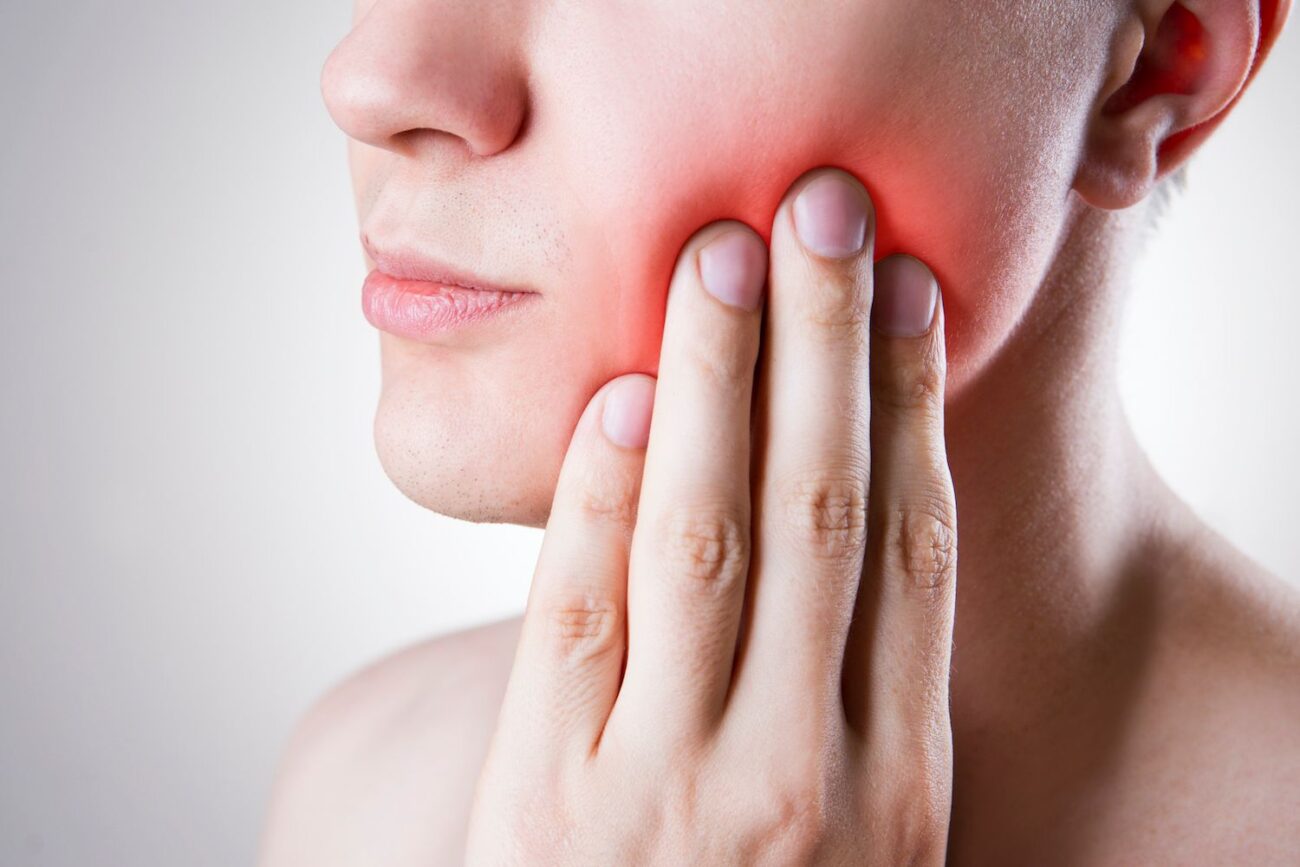
TMJ is the commonly used term for a temporomandibular disorder or TMD. Patients with a TMD or TMJ disorder experience dysfunction in the temporomandibular joints, which connect the jaw and the skull. When there are problems or an imbalance in the jaw joints, common symptoms can include jaw pain, difficulty chewing comfortably, frequent headaches, and discomfort in and around the head and neck areas.
Teeth Grinding
Bruxism comes from the Greek word brygmós, which means “gnashing of teeth.” If you have ever slept near someone who suffers from bruxism, you know this is an apt description. Many people grind their teeth and never realize it. Often, patients discover that they grind their teeth when serious pain or damage results.
The primary symptoms of bruxism are:
- Grinding or clenching of teeth
- Tooth sensitivity
- Jaw pain
- Headache and facial pain
- Worn, chipped, breaking teeth
- Flattened tooth surfaces
- Exposure of tooth layers and loss of enamel
- Earache from jaw muscle tension and contraction
- A scalloped tongue or irregular tongue edges
- Damaged mouth tissue
If you notice any of these symptoms, please call our office. He can help you find relief and protect your teeth.
TMJ Causes
TMJ can have many causes. Often, multiple things work together to cause TMJ problems. Most commonly, teeth grinding causes it. Many people clench and grind their teeth while they’re sleeping or subconsciously throughout the day. You’re more likely to grind your teeth when you’re stressed or deeply focused. Over time, this habit puts stress on the jaw joint and strains the muscles around it.
Another issue is a misaligned bite. Your jaw joint should track smoothly when you open and close your mouth. When it’s misaligned, it isn’t moving properly. It irritates the joint and can break down the cartilage disc that allows it to move smoothly.
Injuries or trauma can show up right away or cause issues over time. An impact can damage the jaw joint or the surrounding muscles. It can strain the jaw muscles or cause the joint to degenerate. Trauma can also cause a misaligned bite, shifting the jaw out of its correct position.
Arthritis and connective tissue disorders often impact the entire body. Both osteoarthritis and rheumatoid arthritis can affect the jaw joint, leading to inflammation, stiffness, and cartilage deterioration. As the cushioning within the joint breaks down, movement becomes painful and restricted. Connective tissue disorders can affect the ligaments that hold the jaw in place, leading to instability.
What Can We Do to Help?
Dr. Gorsky uses the principles of Centric Relation to help relax your jaw muscles and move your bite back into its ideal position.
This process starts with a specially made bite appliance to relax your muscles and create an artificial, perfect bite. Once your bite has relaxed into the proper position, we will use equilibration to keep it that way. Bite equilibration is a delicate procedure that requires extreme skill and a trained hand. To equilibrate your bite, Dr. Gorsky will carefully smooth and buff the biting surfaces of your teeth to equalize stress and harmonize the way your teeth meet and relate to each other by removing any unevenness or irritants.
After equilibration, we restore and replace teeth that need care and take impressions for your own custom-made occlusal (bite) guard. This occlusal guard balances your bite and protects your teeth from further damage.
TMJ Treatment FAQs
TMJ breaks down your jaw joint and causes pain and tension. Learn more below.
Can TMJ disorder go away on its own?
Some mild cases of TMJ discomfort may improve with rest, stress reduction, and avoiding activities that strain the jaw. However, persistent or worsening symptoms often require professional evaluation and treatment. Ignoring TMJ issues can sometimes lead to increased discomfort and additional complications. Seeking care early may help prevent symptoms from becoming more severe.
What is a TMJ mouthguard or oral appliance?
A TMJ oral appliance is a custom-made device worn over the teeth, typically while sleeping. It helps reduce pressure on the jaw joints and minimizes the effects of clenching and grinding. Unlike over-the-counter mouthguards, custom appliances are designed specifically for your bite and comfort. Many patients experience significant relief from jaw pain and muscle tension after using an oral appliance.
Why does TMJ disorder cause headaches?
The muscles involved in jaw movement are closely connected to the muscles of the face, head, and neck. When these muscles become overworked or inflamed, pain can radiate and result in tension headaches. Many TMJ-related headaches occur around the temples, forehead, or behind the eyes. Effective TMJ treatment often helps reduce the frequency and severity of these headaches.
Can stress make TMJ symptoms worse?
Stress is one of the most common factors associated with TMJ symptoms. During stressful situations, many people unconsciously clench their jaws or grind their teeth, increasing strain on the jaw joints and muscles. This can lead to worsening pain, headaches, and jaw tension. Managing stress may be an important component of a comprehensive treatment plan.
What foods should I avoid with TMJ disorder?
Patients experiencing TMJ pain are often advised to avoid hard, crunchy, chewy, or sticky foods that place additional strain on the jaw joints. Foods such as ice, hard candy, gum, and tough meats can aggravate symptoms. Softer foods may help reduce discomfort during flare-ups. Your dentist may provide dietary recommendations based on your specific condition.
How long does TMJ treatment take?
The timeline for TMJ treatment varies depending on the severity of symptoms and the underlying cause. Some patients notice improvement within a few weeks of beginning treatment, while others require several months of ongoing care. Consistently following treatment recommendations can help improve outcomes. Regular follow-up visits allow your dentist to monitor progress and make adjustments as needed.